
The U.S.–India economic relationship has long been described as a strategic partnership with enormous potential. With bilateral trade crossing hundreds of billions of dollars annually and ambitions to reach the $500 billion mark, expectations were high that a comprehensive trade deal would materialize. However, as of 2026, the much-anticipated U.S.–India trade deal remains stalled, raising questions among businesses, policymakers, and investors on both sides.
So, why is the U.S.–India trade deal stalled in 2026, and what does this delay mean for future economic cooperation? This article breaks down the key economic, tariff, and policy reasons behind the slowdown and examines the long-term outlook for U.S.–India trade relations.
Table of Contents
What Is the Current Status of the U.S.–India Trade Deal?
The U.S.–India trade negotiations have been ongoing in various forms for years, covering areas such as tariffs, market access, digital trade, agriculture, intellectual property, and services. While both countries have signed sector-specific agreements and strategic frameworks, a comprehensive bilateral trade agreement has remained elusive.
As of 2026, negotiations have slowed significantly. Instead of a broad trade pact, both governments are engaging through smaller initiatives, working groups, and selective cooperation in technology, defense, and supply chains. This fragmented approach reflects unresolved disagreements that continue to block a larger deal.
Why Is the U.S.–India Trade Deal Stalled?
The reasons behind the stalled U.S.–India trade deal are complex and multi-layered. They involve not just economics, but also domestic politics, global geopolitics, and long-standing structural differences between the two economies.
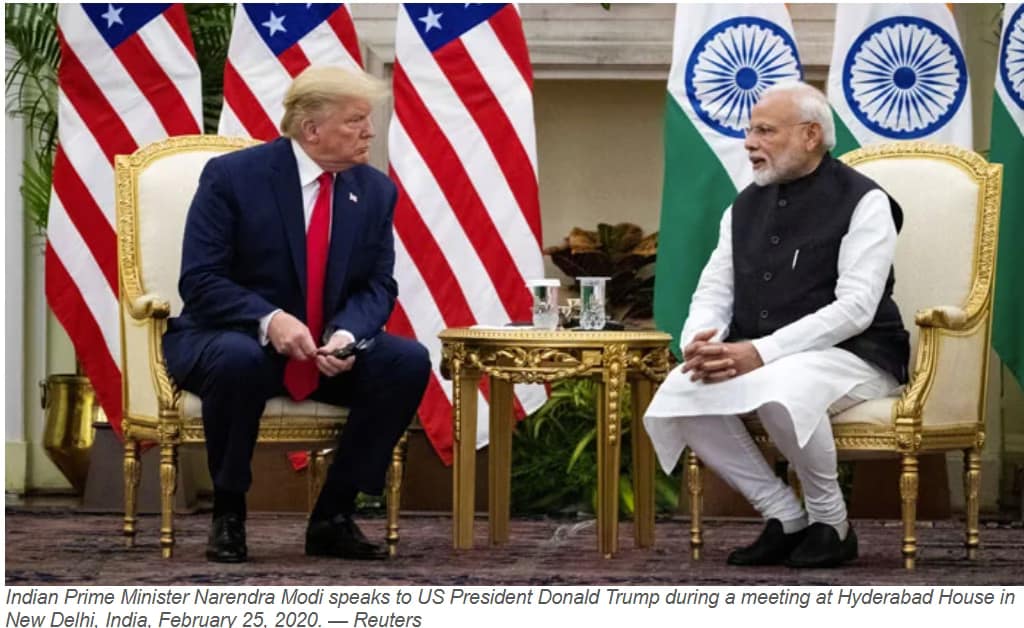
Tariff Disagreements Between the U.S. and India
One of the main reasons the U.S.–India trade deal is stalled is persistent disagreement over tariffs.
The United States has repeatedly raised concerns about high import duties imposed by India on goods such as electronics, agricultural products, and medical devices. From the U.S. perspective, these tariffs limit market access for American companies and distort fair competition.
India, on the other hand, argues that tariffs are essential to:
- Protect domestic industries
- Support small and medium enterprises (MSMEs)
- Promote local manufacturing initiatives
This fundamental difference in tariff philosophy has made compromise difficult, particularly in politically sensitive sectors.
Policy and Regulatory Challenges Slowing Negotiations
Beyond tariffs, regulatory and policy differences remain a major stumbling block in U.S.–India trade negotiations.
Key areas of concern include:
- Data localization requirements
- Digital trade and cross-border data flows
- Intellectual property protection
- E-commerce regulations
The U.S. seeks more open digital markets and predictable regulatory frameworks, while India prioritizes data sovereignty and domestic control over digital infrastructure. These differences reflect broader policy goals and are not easily resolved through short-term negotiations.
Political and Diplomatic Factors Affecting Trade Talks
Trade deals do not exist in isolation from politics. Domestic political considerations in both countries have played a significant role in delaying progress.
In the United States, trade policy has become increasingly tied to:
- Election cycles
- Domestic manufacturing concerns
- Strategic competition with China
In India, trade agreements are closely scrutinized for their impact on:
- Farmers and rural livelihoods
- Employment generation
- Economic self-reliance
As a result, leaders on both sides have been cautious about making concessions that could trigger political backlash at home.
How U.S. Tariffs Are Impacting Indian Exports
Another major factor behind the stalled deal is the impact of U.S. tariffs on Indian exports.
Certain Indian export sectors have faced:
- Higher compliance costs
- Uncertainty over tariff regimes
- Reduced competitiveness in the U.S. market
Industries such as textiles, engineering goods, and specialty manufacturing have expressed concerns about long-term access to the U.S. market without a stable trade agreement in place.
Export Challenges for Indian MSMEs
For Indian MSMEs, the lack of a comprehensive U.S.–India trade agreement creates additional challenges.
Smaller exporters often struggle with:
- Changing trade regulations
- Tariff unpredictability
- Limited ability to diversify export markets
Without a clear trade framework, many MSMEs remain hesitant to scale up exports to the U.S., slowing broader trade growth.
Economic Impact of the Stalled U.S.–India Trade Deal
The economic impact of the stalled trade deal extends beyond government negotiations and directly affects businesses and investors.
Effects on Bilateral Trade Growth
While trade between the two countries continues, growth has been uneven. A comprehensive trade deal could:
- Reduce transaction costs
- Improve supply chain integration
- Encourage long-term investment
The absence of such an agreement means missed opportunities for faster and more balanced trade expansion.
Investor Sentiment and Market Uncertainty
Uncertainty around trade policy often affects investor confidence. Companies considering cross-border investments look for:
- Stable regulatory environments
- Predictable trade rules
- Long-term policy clarity
The delay in finalizing a U.S.–India trade agreement has led some investors to adopt a wait-and-watch approach, particularly in manufacturing and export-oriented sectors.
Geopolitical Impact on U.S.–India Trade Relations
Global geopolitics has also influenced the direction of U.S.–India trade talks.
Key factors include:
- Strategic competition between major global powers
- Energy security concerns
- Shifting global supply chains
While the U.S. and India share strategic interests, differences in geopolitical priorities sometimes spill over into economic negotiations, complicating trade discussions further.
What This Means for the Future of U.S.–India Economic Relations
Despite current challenges, the long-term outlook for U.S.–India economic relations remains cautiously optimistic.
Possible Scenarios for Trade Deal Revival
Several scenarios could revive stalled negotiations:
- A phased or sector-specific trade agreement
- Greater cooperation in digital services and technology
- Renewed political momentum after domestic elections
Rather than a single sweeping deal, incremental progress may prove more realistic.
Long-Term Outlook for Bilateral Trade Cooperation
In the long run, structural factors continue to support deeper trade ties:
- Complementary economies
- Growing consumer markets
- Shared interest in supply chain diversification
Even without an immediate comprehensive deal, collaboration in technology, defense manufacturing, clean energy, and services could keep trade relations moving forward.
Frequently Asked Questions (FAQs)
Why is the U.S.–India trade deal stalled in 2026?
The deal is stalled due to tariff disagreements, regulatory differences, domestic political concerns, and geopolitical factors affecting negotiations.
What are the main tariff issues between the U.S. and India?
The U.S. seeks lower Indian tariffs for market access, while India prioritizes protecting domestic industries and MSMEs.
How does the stalled trade deal affect Indian exporters?
Exporters face uncertainty, higher compliance costs, and limited predictability in accessing the U.S. market.
Will the U.S. and India resume trade negotiations?
Talks are ongoing at various levels, and future negotiations may resume through phased or sector-specific agreements.
Conclusion
The U.S.–India trade deal stalled in 2026 is the result of economic, political, and strategic complexities rather than a lack of interest from either side. While disagreements over tariffs, regulations, and policy priorities remain unresolved, both countries continue to recognize the importance of a strong economic partnership.
Rather than signaling a breakdown in relations, the stalled trade deal reflects a cautious and evolving negotiation process. As global economic conditions change and domestic priorities shift, the door remains open for renewed cooperation and a more comprehensive trade framework in the future.
Leave a Reply