
The Easiest Way to Budget in 2025
Managing money doesn’t have to feel complicated. With rising expenses, inflation, and endless financial advice on the internet, it’s easy to feel overwhelmed about where your money should go each month. That’s why the 50/30/20 rule of budgeting has gained popularity worldwide. It’s simple, practical, and works for almost anyone.
In this article, we’ll break down the 50/30/20 budget rule, show you how to apply it in 2025, and explain why it’s still one of the most effective ways to take control of your personal finances.
✅ What is the 50/30/20 Rule?
The 50/30/20 budgeting rule is a money management method that divides your monthly after-tax income into three categories:
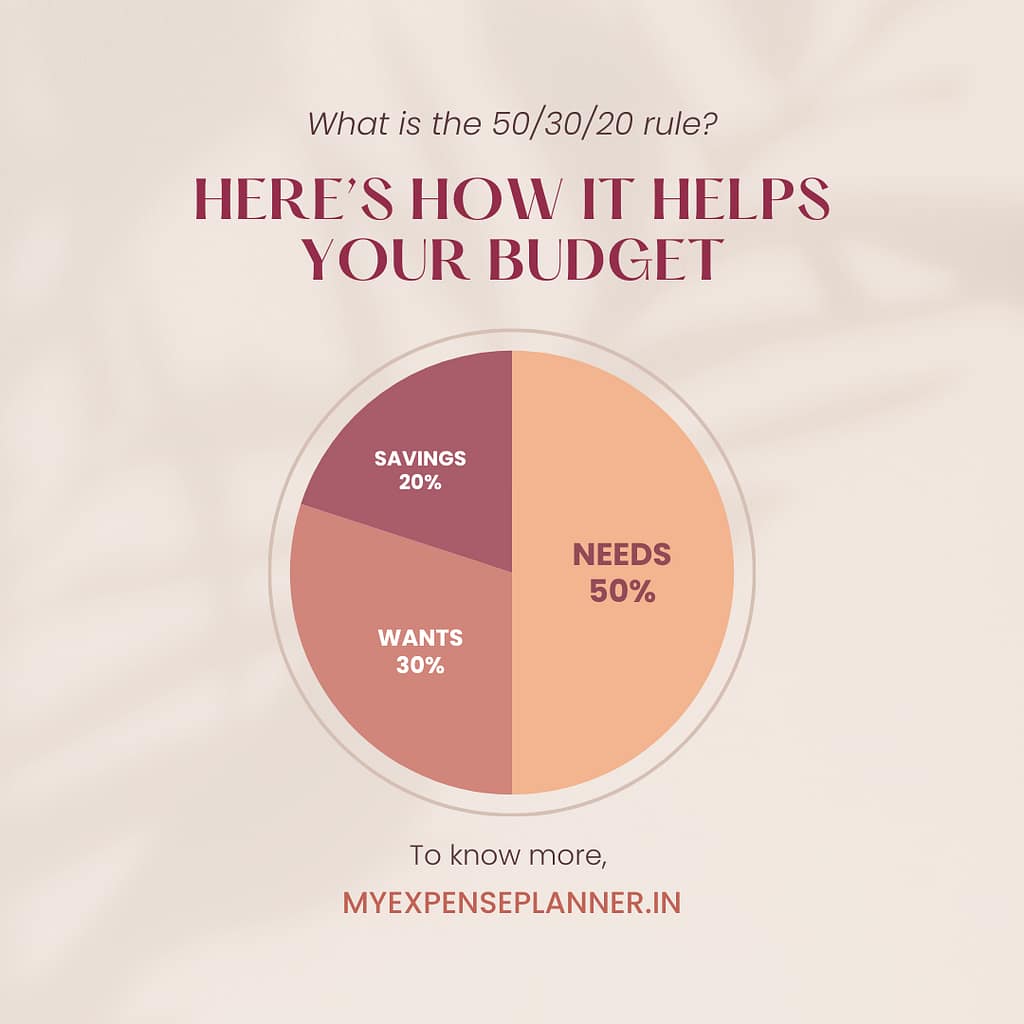
- 50% Needs: Essential expenses like rent, groceries, utilities, transportation, and minimum loan repayments.
- 30% Wants: Non-essential spending such as dining out, shopping, travel, subscriptions, or entertainment.
- 20% Savings & Debt Repayment: Building an emergency fund, retirement savings, investments, or paying off debt faster.
This rule was popularized by U.S. Senator Elizabeth Warren and her daughter Amelia Warren Tyagi in their book “All Your Worth: The Ultimate Lifetime Money Plan.” Over time, it has become one of the most trusted budgeting strategies worldwide.
📊 Example of the 50/30/20 Budget in 2025
Let’s say your monthly income after tax is ₹60,000 (or $3,000):
- 50% Needs = ₹30,000 / $1,500 (rent, groceries, bills, transport)
- 30% Wants = ₹18,000 / $900 (dining out, Netflix, shopping, hobbies)
- 20% Savings = ₹12,000 / $600 (retirement fund, investments, debt repayment)
By following this system, you’re ensuring your essential expenses are covered while still enjoying life and saving for the future.
🚀 Why the 50/30/20 Rule Works in 2025
The financial challenges of 2025—such as high living costs, rising interest rates, and lifestyle inflation—make budgeting more important than ever. Here’s why this method remains relevant:
- Simple & Flexible: No complex spreadsheets required. You can start today with just your income figure.
- Balances Life & Money: Unlike strict budgets, it allows room for fun while still prioritizing savings.
- Adaptable: Works whether you’re a student, working professional, or small business owner.
- Encourages Saving: The built-in 20% allocation ensures you don’t neglect future goals.
🔧 How to Start Using the 50/30/20 Rule
- Calculate your after-tax income – the money that actually lands in your bank account.
- Track current expenses – check if your needs are truly within 50% or if you’re overspending.
- Adjust gradually – if your needs are 60%, try reducing them over time instead of overnight cuts.
- Use budgeting tools – free calculators like My Expense Planner help you apply the 50/30/20 rule easily.
- Review monthly – life changes, so adjust your budget every few months.
⚖️ Is the 50/30/20 Rule for Everyone?
While this rule works for most, it may need tweaking based on your situation:
- High Debt? Allocate more than 20% to debt repayment.
- Low Income? Your needs might exceed 50%, which is okay temporarily.
- Aggressive Savers? You may choose a 40/30/30 or even 50/20/30 split.
The key is consistency—any budget plan only works if you stick to it.
🏆 Final Thoughts
The 50/30/20 budgeting rule in 2025 is still one of the simplest and most effective ways to manage money. By dividing your income into needs, wants, and savings, you gain financial clarity, reduce money stress, and steadily work towards long-term goals.
If you’re serious about taking control of your finances, try applying the 50/30/20 budget method today with the help of tools like My Expense Planner’s calculators. Start small, stay consistent, and watch your savings grow while still enjoying the lifestyle you love.
Leave a Reply