
iPhone 17 in India: Debt Trap or Ultimate Status Symbol?
Table of Contents
Introduction: The Viral Post That Sparked a Storm
When a viral post on social media boldly declared “iPhone 17 = Debt”, it struck a nerve across India. Within hours, thousands of comments poured in—some defending the new Apple flagship as a status symbol worth every rupee, while others criticized it as a financial trap for young Indians chasing social validation.
In a country where the average monthly salary is around ₹35,000–40,000, the starting price of the iPhone 17 (₹82,000+) feels like a mountain. So why are so many Indians still lining up to buy it on launch day?
This debate goes deeper than just tech—it reflects our values, aspirations, and the emotional tug-of-war between lifestyle and financial security.
So iPhone 17 in India: Debt Trap or Ultimate Status Symbol?
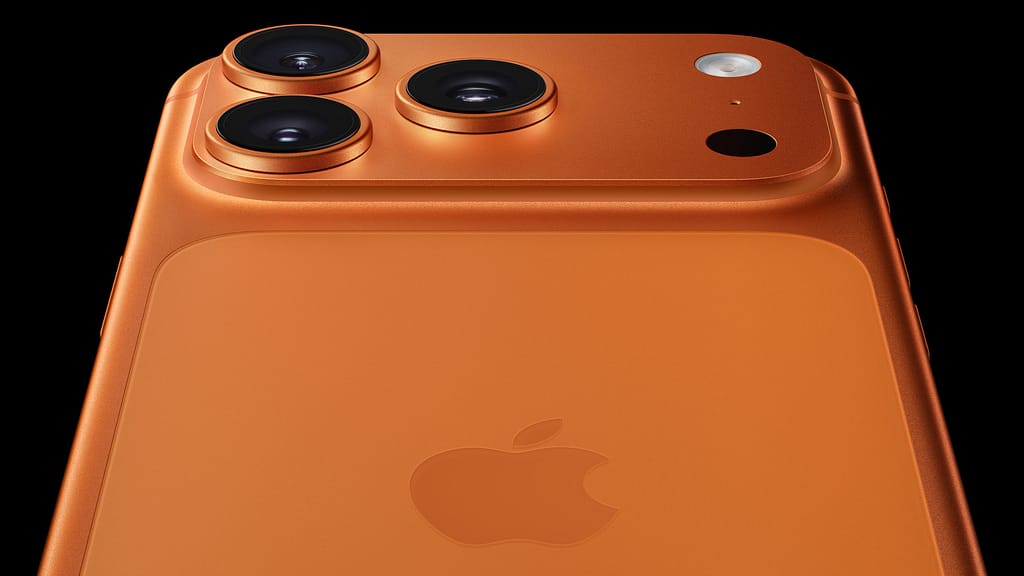
The Status Symbol Effect: More Than Just a Phone
In India, an iPhone is rarely “just a phone.” For many, it’s a statement of success—a sign that you’ve “made it.” Whether it’s showing up at college, taking photos on Instagram, or pulling out your phone at work, the Apple logo itself speaks louder than words.
Psychologists call this “aspirational buying.” When people purchase luxury items, they’re not only buying functionality—they’re buying social recognition, confidence, and identity.
👉 This is why many young Indians, especially Gen Z and millennials, are willing to stretch their budgets, take EMIs, and even delay other financial goals just to own the latest iPhone.
The Debt Trap Reality: Easy EMIs, Hard Consequences
Apple and online retailers in India have made buying an iPhone frictionless. With offers like zero-cost EMIs, cashback, and trade-ins, the upfront cost doesn’t feel as heavy.
But here’s the catch:
- A 24-month EMI of ₹4,000–5,000 may look small, but it eats into a huge part of a middle-class person’s salary.
- This means cutting down on savings, investments, or even essentials.
- Many end up upgrading every year without finishing one EMI cycle, creating a loop of endless debt.
Financial advisors warn that this mindset—prioritizing short-term lifestyle upgrades over long-term financial planning—can lead to credit card debt, loan stress, and poor savings habits.
The Cultural Divide: Generations at Odds
The iPhone debate has also highlighted a clear generational divide:
- Gen Z and Millennials argue that life is about experiences and self-expression, and owning the best gadgets is part of that lifestyle.
- Gen X and Boomers, on the other hand, see the iPhone as overpriced indulgence, especially when phones with similar features are available for half the price.
This clash is more than just about gadgets—it reflects different philosophies of money, success, and happiness.
But Is It Really Worth It? The Other Side of the Story
To be fair, Apple isn’t just selling hype. The iPhone 17 comes with:
- Industry-leading camera system
- Longer software updates than most Androids
- Better resale value compared to rivals
For some buyers, the iPhone actually makes long-term financial sense, since the device lasts 4–5 years, while cheaper phones may need replacing sooner.
So the real question isn’t “Is the iPhone overpriced?” but rather:
👉 “Do you genuinely need it, or are you buying it for validation?”
The Emotional Side: Why We Feel the Pressure
Let’s be honest: the pressure is real. In offices, colleges, and even family gatherings, people notice what phone you carry. Owning an iPhone often brings respect, admiration, and social acceptance.
But here’s the painful truth:
- No gadget is worth sacrificing peace of mind.
- Debt brings stress, anxiety, and regret—all for a phone that will be outdated in 2 years.
Your worth is not defined by the Apple logo in your hand but by the financial freedom and choices you build.
Conclusion: Time for a Reality Check
The iPhone 17 = Debt debate is not just about smartphones—it’s about India’s growing consumer culture and the emotional push-and-pull between dreams and reality.
If buying an iPhone fits into your budget without EMIs or debt, go for it—enjoy the tech, the luxury, and the experience.
But if you’re forcing yourself into loans, credit card bills, and sleepless nights just to keep up appearances, maybe it’s time to pause and ask:
👉 Do I own the iPhone, or does the iPhone own me?
plan your budget with MyexpensePlanner
Some Interesting Reads :-
50/30/20 Rule Explained: The Easiest Way to Budget in 2025
How Much Should an Average Indian Save Every Month?
“Vist MyExpensePlanner today — India’s smartest expense tracker that helps you visualize savings and plan your financial future with ease.”
Leave a Reply