
Table of Contents
🔥 What’s Happening: India–US Trade Deal in 2026
India–US Trade Deal 2026: Who Really Wins at 15% Tariffs — US Farmers, Indian Economy or You?
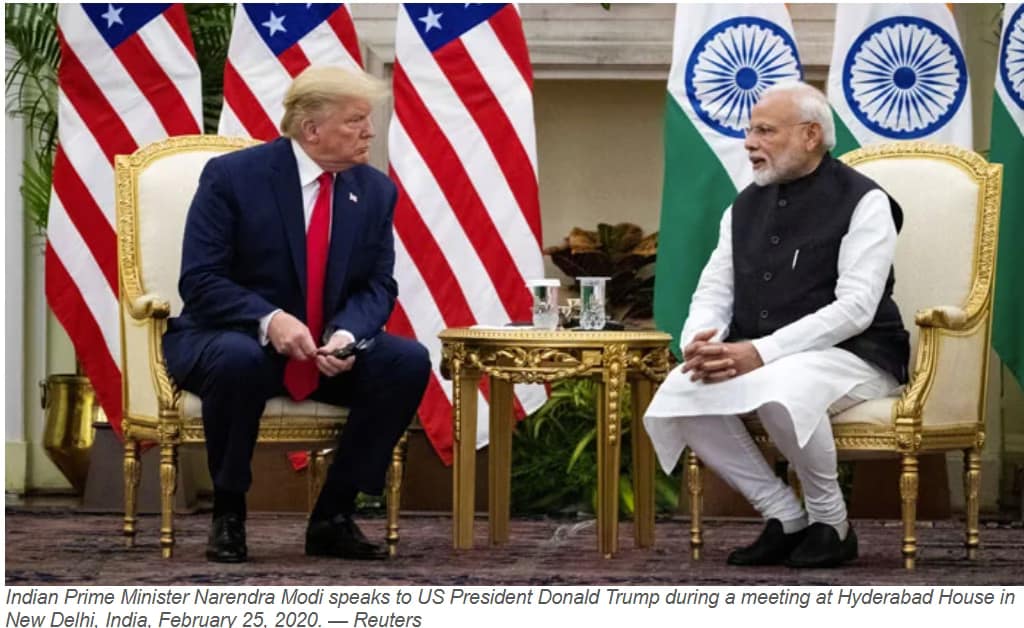
India and the United States are poised to finalize a major bilateral trade agreement in March 2026 that would significantly reduce tariffs on traded goods — with the U.S. cutting tariffs on Indian exports from as high as 50 % to around 15 – 18 % under a negotiated deal after prolonged negotiations.
President Trump has framed this as a major trade win — a “deal” that strengthens economic ties with India — while Indian officials have been more cautious, emphasizing protection of key sectors.
Unlike the India–EU trade deal that was widely broadcast as the “mother of all deals,” the India–US pact has been comparatively quietly advanced in official Indian discourse — with most coverage coming from U.S. media and social channels. That contrast itself is becoming a political talking point in India.
🌾 Impact on Farmers: U.S. vs Indian
🇺🇸 How U.S. Farmers Win
The U.S. would gain much greater access to the Indian market for agricultural products if India lowers tariffs and non-tariff barriers. U.S. officials are already positioning the deal as a boost for American farm exports, claiming it will:
- Increase sales of U.S. grains, dairy, and processed farm goods;
- Help U.S. producers compete in India where the agricultural trade deficit has been modest but persistent; and
- Open the door to broader U.S. food exports into India’s vast market.
For U.S. farm lobbyists, access to India — even under a reduced tariff regime — represents a major win after years of limited penetration.
🇮🇳 Impact on Indian Farmers
In India, the reaction is mixed and cautious:
1. Government protection narrative
India’s Agriculture Minister insists that no major domestic agricultural markets have been opened to U.S. products and that farmers’ interests are protected.
2. Industry and farm groups express concern
Farmer organizations have publicly warned that even reduced tariffs or quotas for U.S. agricultural goods could pose serious threats to Indian farm incomes and rural livelihoods.
3. Dairy, poultry and staple crops at risk
Analyses suggest that cheaper U.S. imports — especially where American farmers receive heavy subsidies — could reduce domestic prices by 15 – 25 % (for example in milk), leading to estimated income losses potentially exceeding ₹1 lakh crore for Indian dairy farmers.
4. Food security & biosafety
There is also anxiety around the import of GM crops and products, as well as differing regulatory standards (e.g., hormones in dairy), which critics argue could undercut Indian farms and raise biosafety issues.
👩🌾 Bottom Line for Farmers
| Stakeholder | Likely Outcome from Trade Deal |
|---|---|
| U.S. Farmers | Expanded access to India → more export growth |
| Large Indian Agribusiness | Potential to export processed food & marine products more easily |
| Small Indian Farmers | Risk of price competition from subsidized imports without protections |
| Dairy & Poultry | High vulnerability to cheaper imports |
📈 Broader Economic Impact on India
🚢 Exports Get a Boost
Lower U.S. tariffs could unleash significant opportunities for Indian exporters, especially in labour-intensive sectors like:
- Textiles & garments
- Leather & footwear
- Gems & jewellery
- Automobile parts
- Organic chemicals and machinery
Recent analyses and trade leaders point out that because India’s export goods had been facing punitive tariffs (up to 50 %), most Indian exporters will benefit from tariff relief and renewed orders.
For companies in apparel, leather, and gems — where India already has global competitiveness — reduced U.S. duties could quickly translate into revived contracts and higher revenues.
💰 Investment, Jobs, and Growth
Trade experts say tariff stability:
- Improves investor confidence;
- Spurs job creation in manufacturing and export sectors;
- Encourages foreign direct investment (FDI);
- Potentially accelerates technology transfers from U.S. partners.
📉 But It’s Not All Sunshine
Experts caution against over-celebration, pointing out that:
- The headline figures (e.g., $500 billion of U.S. purchases) are long-term targets, not immediate outcomes.
- Ambiguity remains around exactly which products will see tariff reductions or stay protected, especially in food grains and staples.
- Non-tariff measures and sanitary restrictions could still act as barriers in either direction.
Meanwhile, India’s broader economy must balance this deal against its EU trade agreement, which has been marketed domestically as a much larger, multi-sector opening.
🧠 Why the Indian Government Is Quiet
While U.S. officials have loudly touted the deal on social media and press channels, Indian leadership — particularly the commerce office — has been measured in its messaging. There are several reasons:
1. Domestic Politics
Agriculture is a politically sensitive sector in India. Announcing open crop markets to U.S. competition could spark backlash from rural constituencies.
2. Avoiding Over-Hyping
The government may be avoiding premature celebration until final legislative texts are published, given past criticism of opaque trade negotiations.
3. Cautious Framing
By emphasizing protection of farmers and national interest, India seeks to balance trade liberalization with domestic stability.
🛒 How This Could Affect Your Wallet
Even if headline trade deal numbers sound abstract, real people feel this in everyday spending:
📉 Food Prices
If cheaper U.S. agricultural imports make their way into India, this could eventually lower prices for certain imported items like:
- almonds & nuts;
- processed foods;
- some grains (depending on tariff lines).
But because domestic protections remain largely in place, staple food inflation might not immediately fall — or could even be suppressed if tariffs are maintained on basics.
📈 Imported Goods & Electronics
Consumers may see lower prices for imported machinery, chemicals, and even certain household products as trade costs fall.
📊 Job Markets
Export-oriented job growth may accelerate in certain manufacturing hubs, but rural employment in smallholder agriculture could still be fragile if farm incomes are jeopardized.
🧮 Calculate Your Personal Impact
Curious how this trade deal might affect your expenses or savings — food costs, import prices, or investment returns?
👉 Try our India–US Trade Impact Calculator:
🔗 https://myexpenseplanner.in/blog/financial-calculators/
Use this to estimate:
- How lower import tariffs could change grocery or consumer goods prices.
- What changes to export taxes and tariffs mean for small businesses.
- Personal savings from cheaper imported goods over time.
🏁 Final Verdict: Who Wins and Who Loses?
🟢 Likely Winners
- Indian export industries (textiles, leather, gems, machinery)
- U.S. agricultural exporters
- Consumers of imported goods
- Investors seeking stable trade policy
🔴 At-Risk Groups
- Small Indian farmers if agricultural concessions widen
- Rural labor markets tied to commodity prices
- Sectors dependent on protective tariffs
✨ SEO Keywords to Rank This Article
- India US trade deal 2026 impact farmers
- US tariffs on Indian goods 15% explained
- How India US trade pact affects agriculture
- India trade news explained 2026
- personal savings trade deal calculator
- farm income impact India US tariff
Leave a Reply to EU–India FTA Impact on Agriculture, Dairy & Farmers Cancel reply